Expert Hair & Skin Solutions
By Dr. Samiksha Tyagi
Hair Regrowth To High-Success Transplants
Safe, Medical-Grade Skin & Aesthetic Care


Hair Transplant & Advanced
Hair Solutions Centre
Delivering Natural, Lasting
Transformations.
 BOOK AN APPOINTMENT

Advanced Care For Every Stage Of Hair Loss.

Complete Solutions For Every Hair Need.

Advanced Skin & Aesthetic Solutions.

Complete Cosmetic & Reconstructive Care.

Beard & Mustache Transplant

Eyebrow Transplant

Male / Female Hair Transplant

Early Thinning

Bald Patches (Scar, Trauma, Burn)

Failed / Poor Hair Transplant
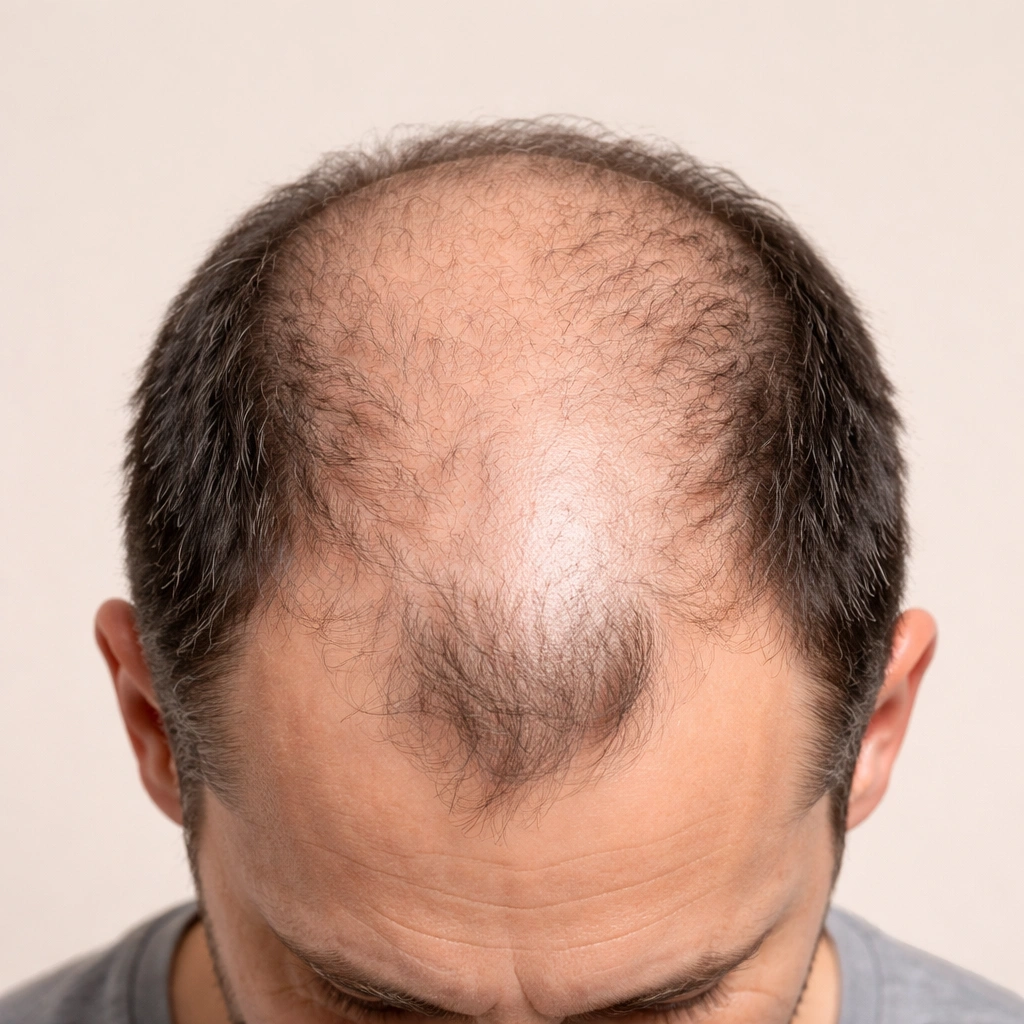
Male Hair Loss
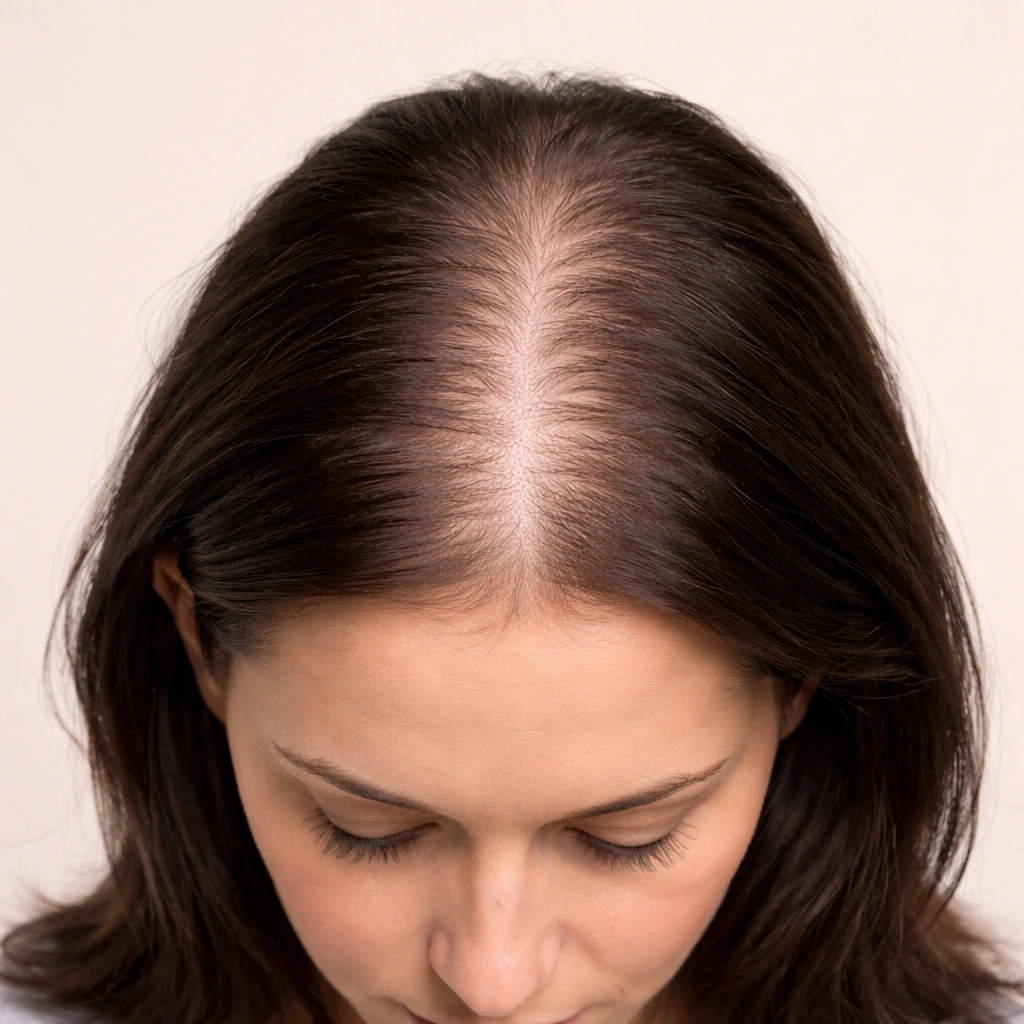
Female Hair Loss
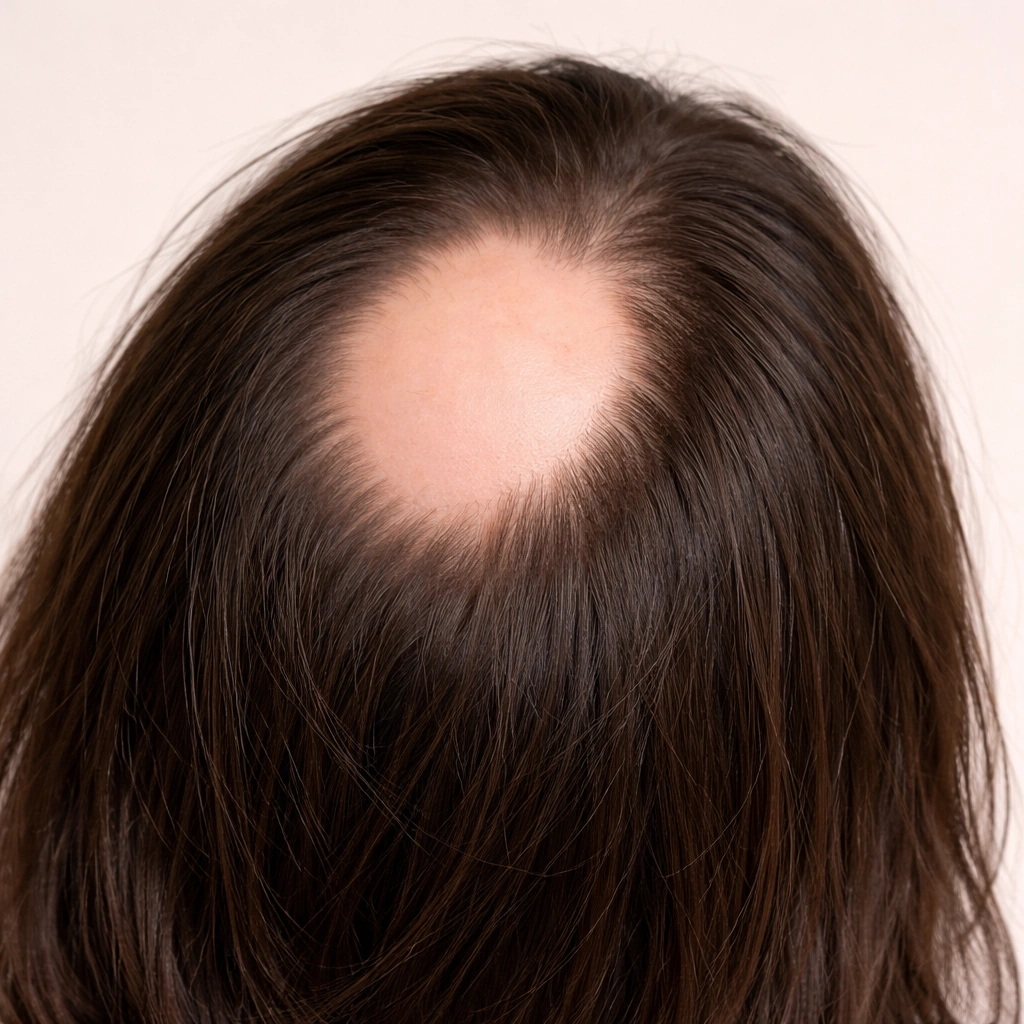
Bald Patche
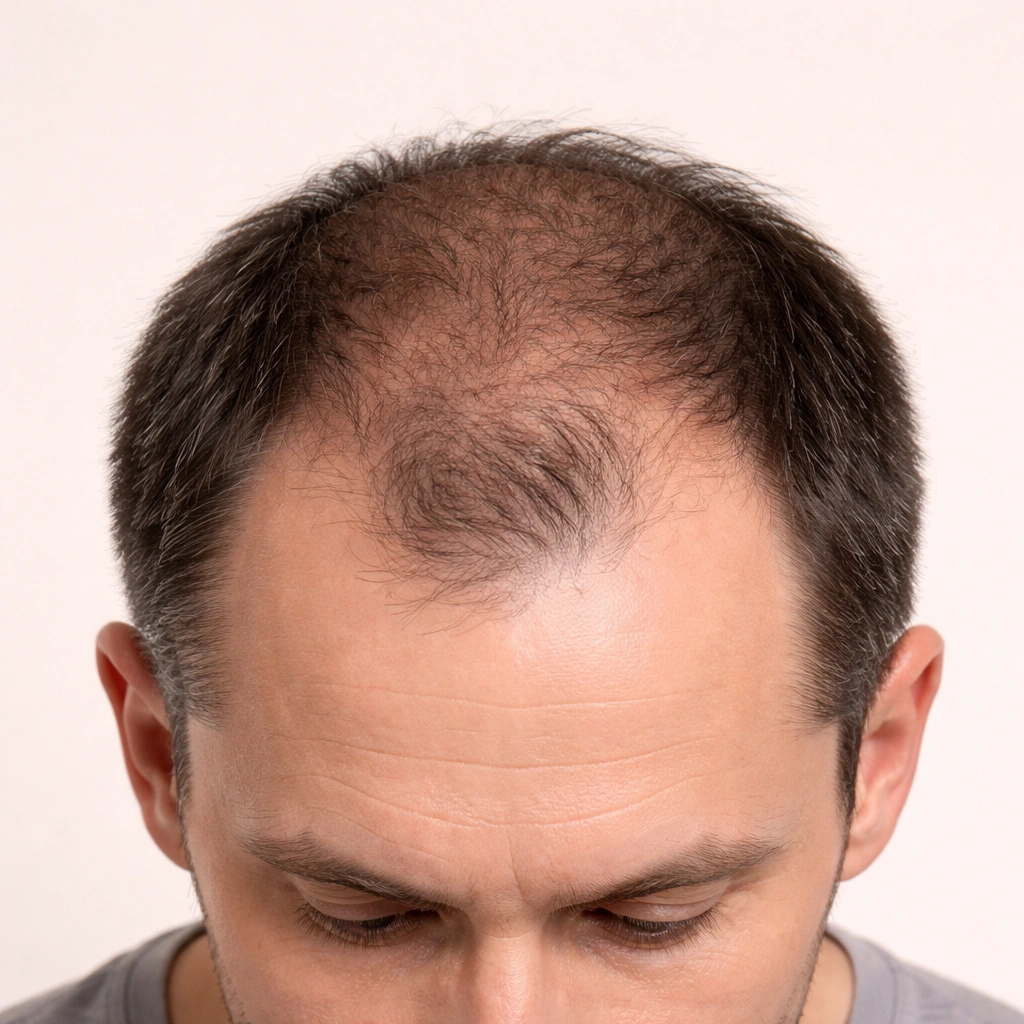
Receding Hairline
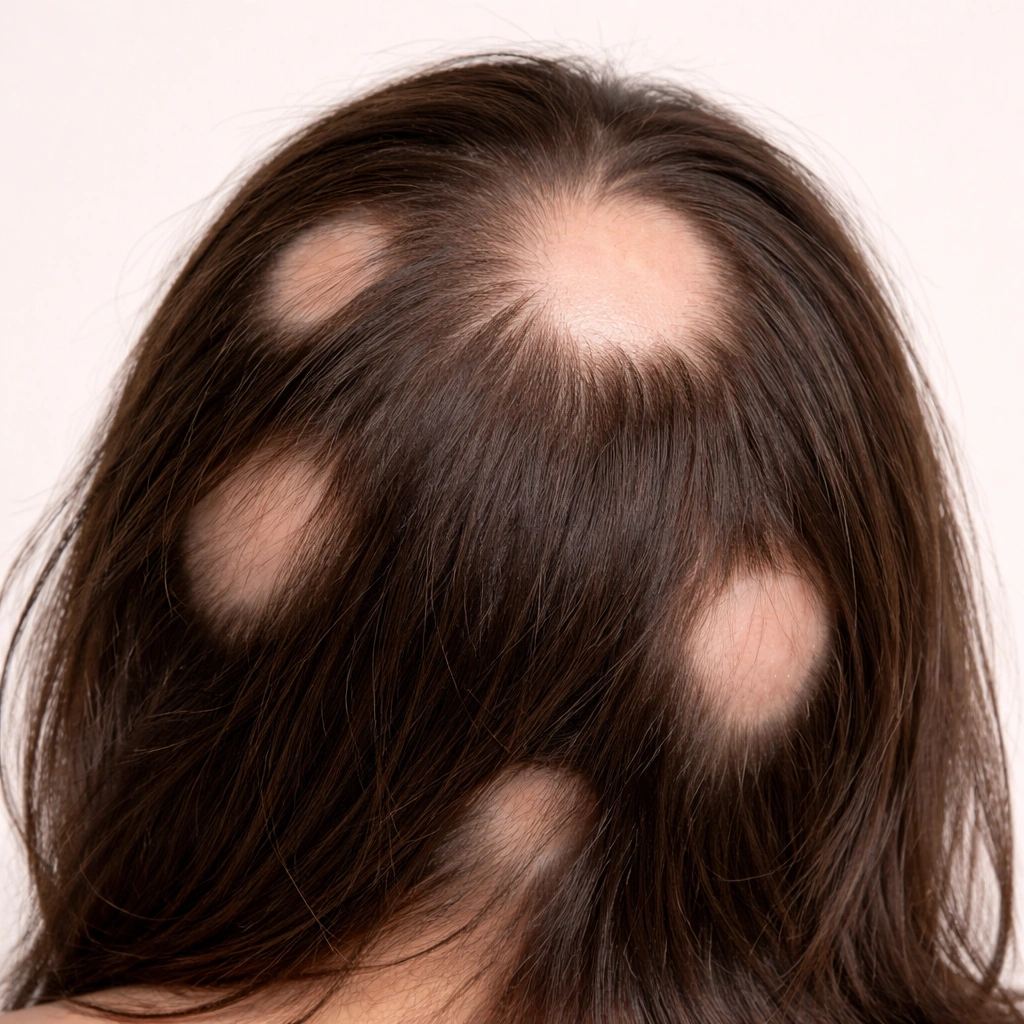
Alopecia"
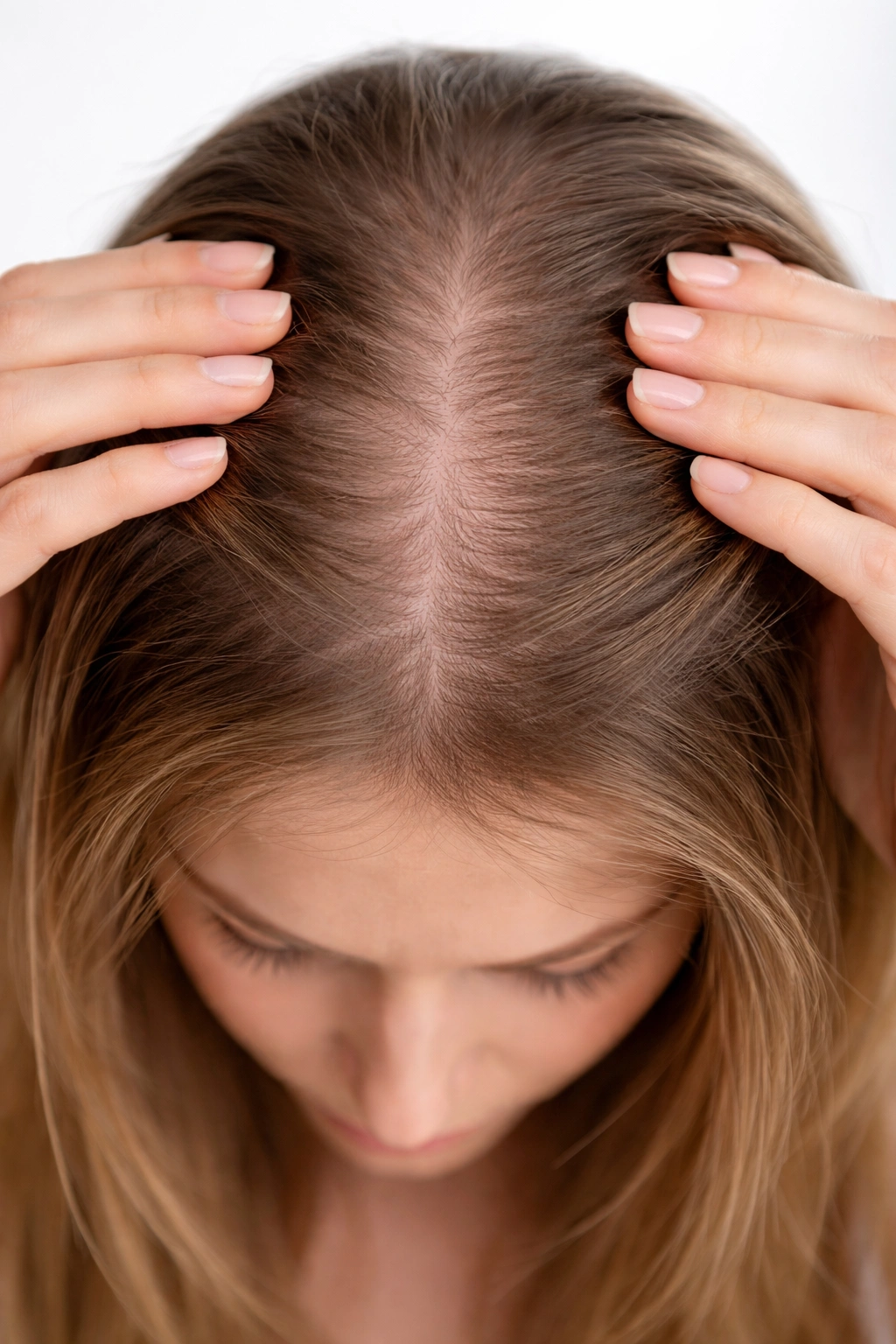
Hormonal Hair Loss
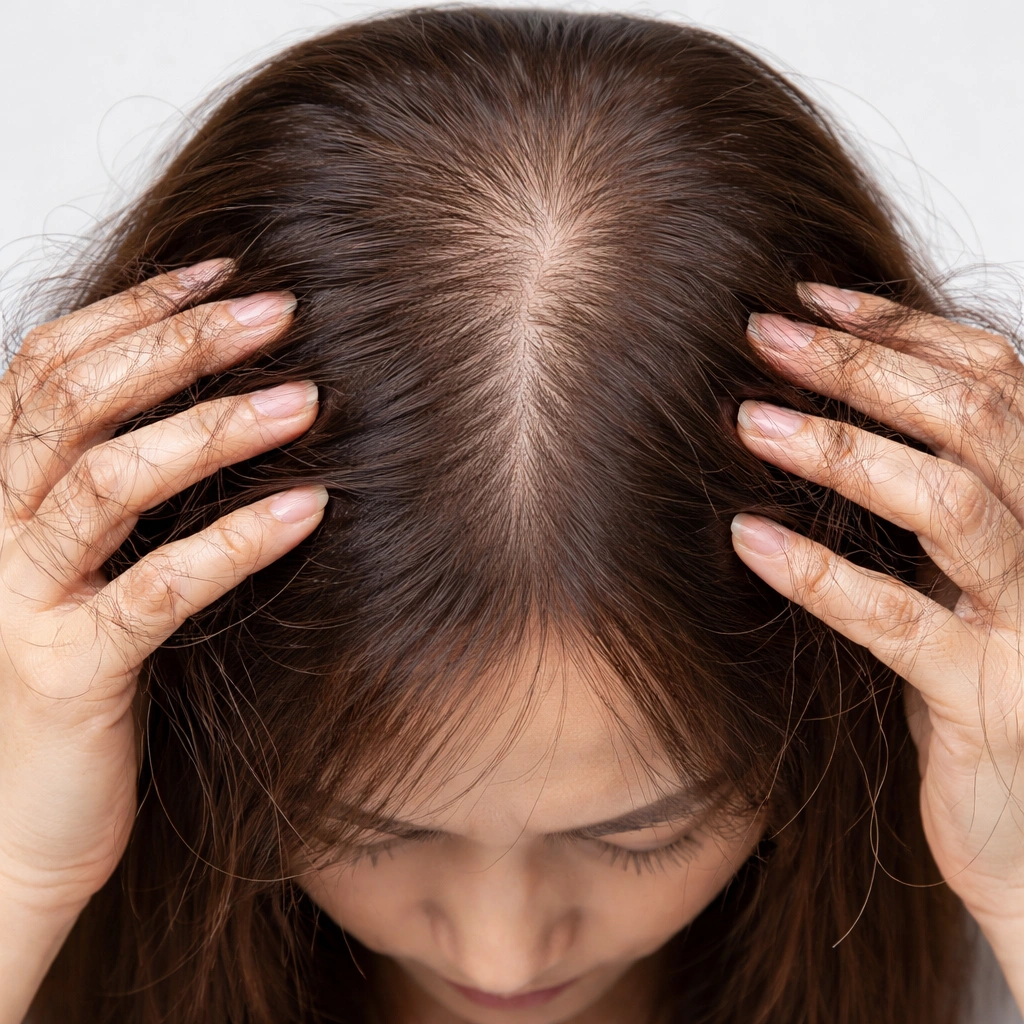
Telogen Effluvium
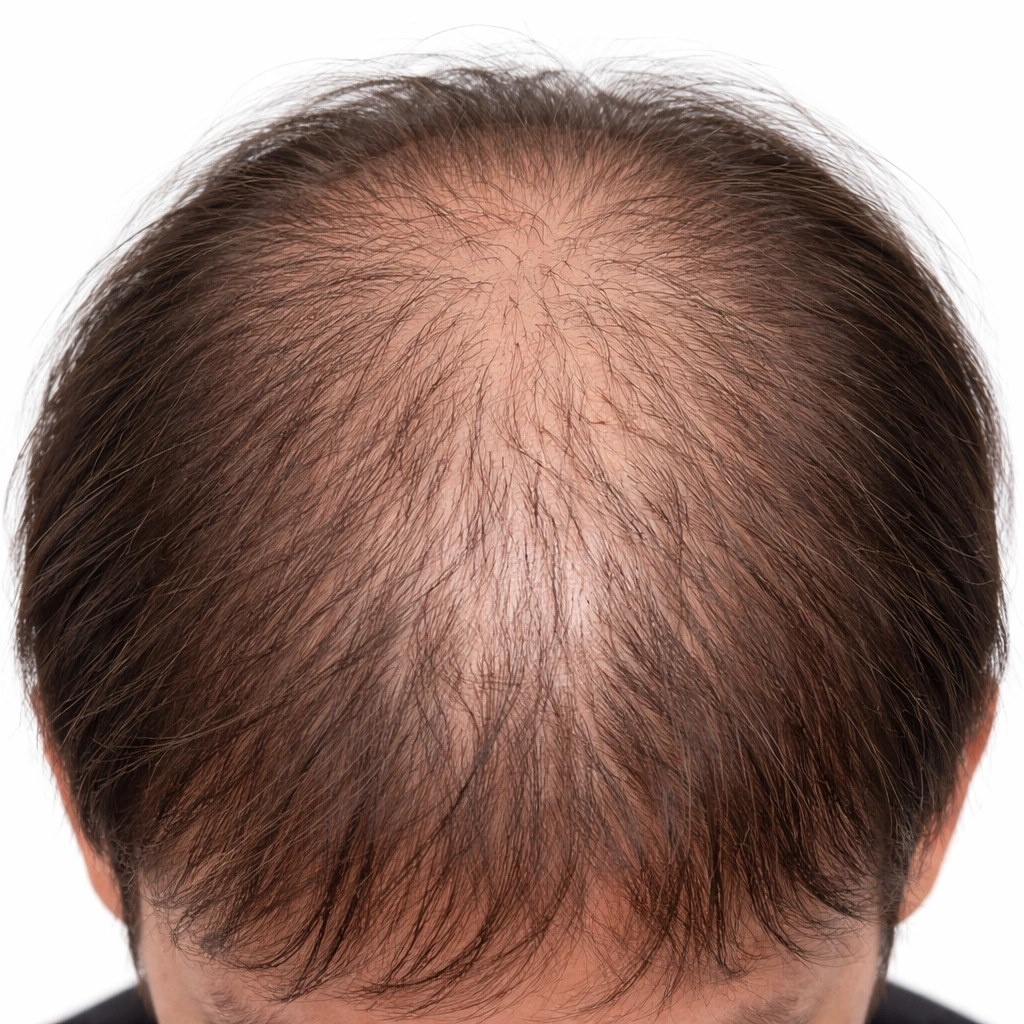
Diffuse Hair Loss

Bridal Glow Package

Dr.(Maj)Samiksha Tyagi
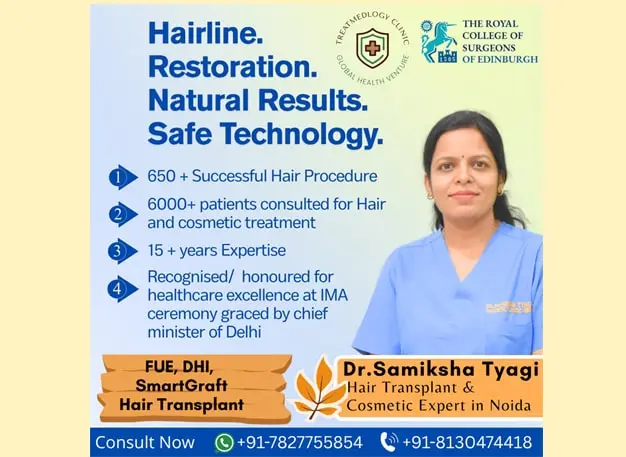
is one of India’s most accomplished female plastic and cosmetic surgeons, known for her skill, integrity, and personalized care. With over 15+ years of clinical experience
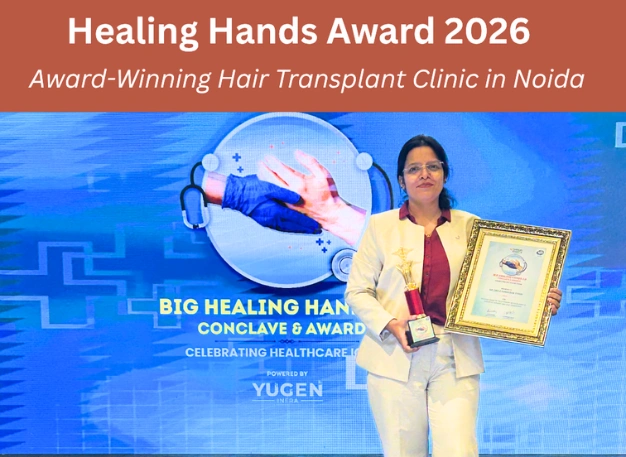
and 7,000+ successful surgeries, she is widely respected for her expertise in aesthetic and reconstructive procedures, attracting patients from across India, the UAE, the UK, the USA, and Europe. She has also been honored with the Healing Hands Award 2.0 for Excellence in Cosmetic & Hair Transplant by BIG FM 92.7, recognizing her outstanding contributions to cosmetic surgery and hair restoration.
She currently leads
Treatmedlogy Clinic in Noida, Delhi NCR,
a state-of-the-art center offering cutting-edge cosmetic surgery
hair-loss-treatment
non-surgical skin care
and laser procedures under one roof.


Cosmetologist Of The Year 2024
By Economic Times

UK-Trained
RCSEd, Edinburgh
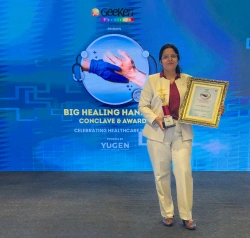
Healing Hands Award 2.0 for Excellence in Cosmetic & Hair Transplant
By BIG FM 92.7
Check Our Before & After Hair Transplant Patient Photo Gallery.


.webp)


Send Photos/Reports For Pre-Analysis

Designed For Your Stage & Goals

Gradual, Natural Improvement With Follow-up


Online Video Consult Or In-Clinic With Specialist

Safe, Medical Grade Procedures
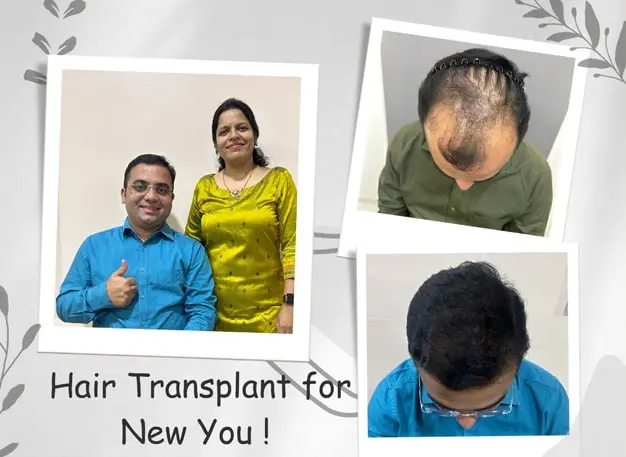
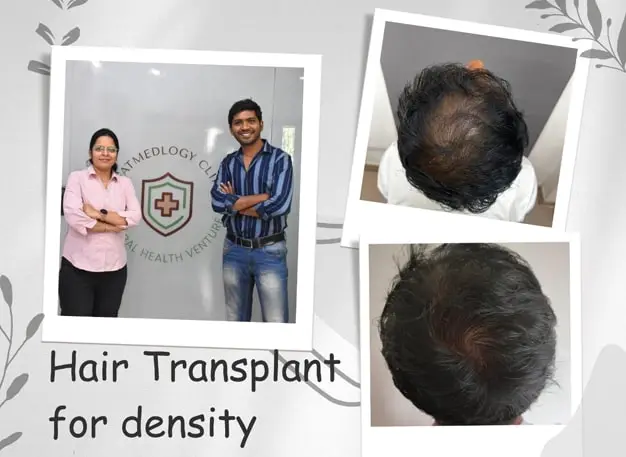
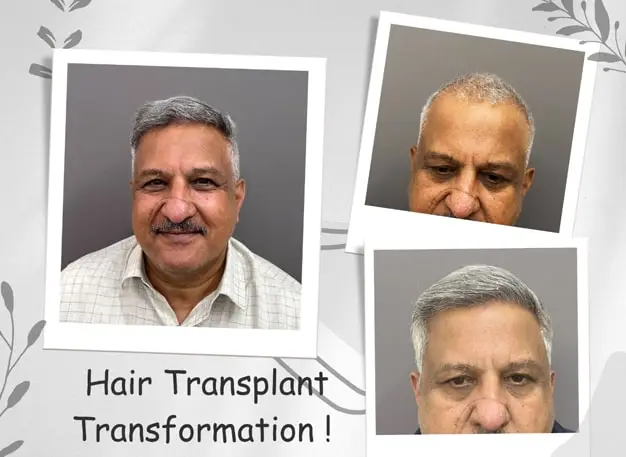
Confidence Isn’t Created — It’s Uncovered.


Got amazing results with Dr. Samiksha Tyagi. My hair loss treatment made my hair look thicker, heloading="lazy" althier and fuller. Highly skilled, caring and professional. Truly best in Noida!

8 months after my non-shaven hair transplant, I’m satisfied with the natural results. Painless procedure, excellent care, and a highly supportive team led by Dr. Samiksha. Highly recommended in NCR!
Amazing experience! Step-by-Step explained the result was very clear. My confidence is back after the treatment. Highly recommended.

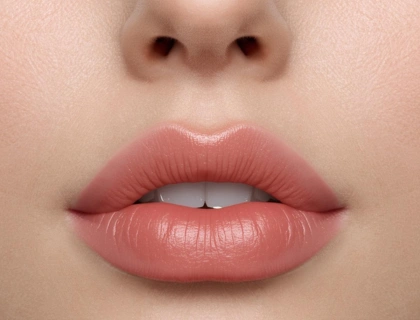
I came from Argentina for lip filler treatment in Noida and I’m extremely happy with the results. Dr. Samiksha Tyagi and team provided highly professional care and outstanding results—highly recommended!
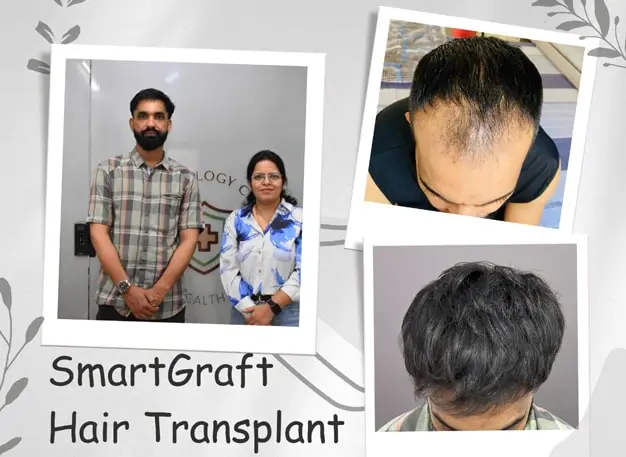
Flew from Toronto, Canada for a SmartGraft hair transplant in Delhi and had an exceptional experience from start to finish. Dr. Samiksha Tyagi and the Treatmedlogy team provided expert care, smooth procedure, and excellent aftercare—highly recommended for hair transplant in Delhi!

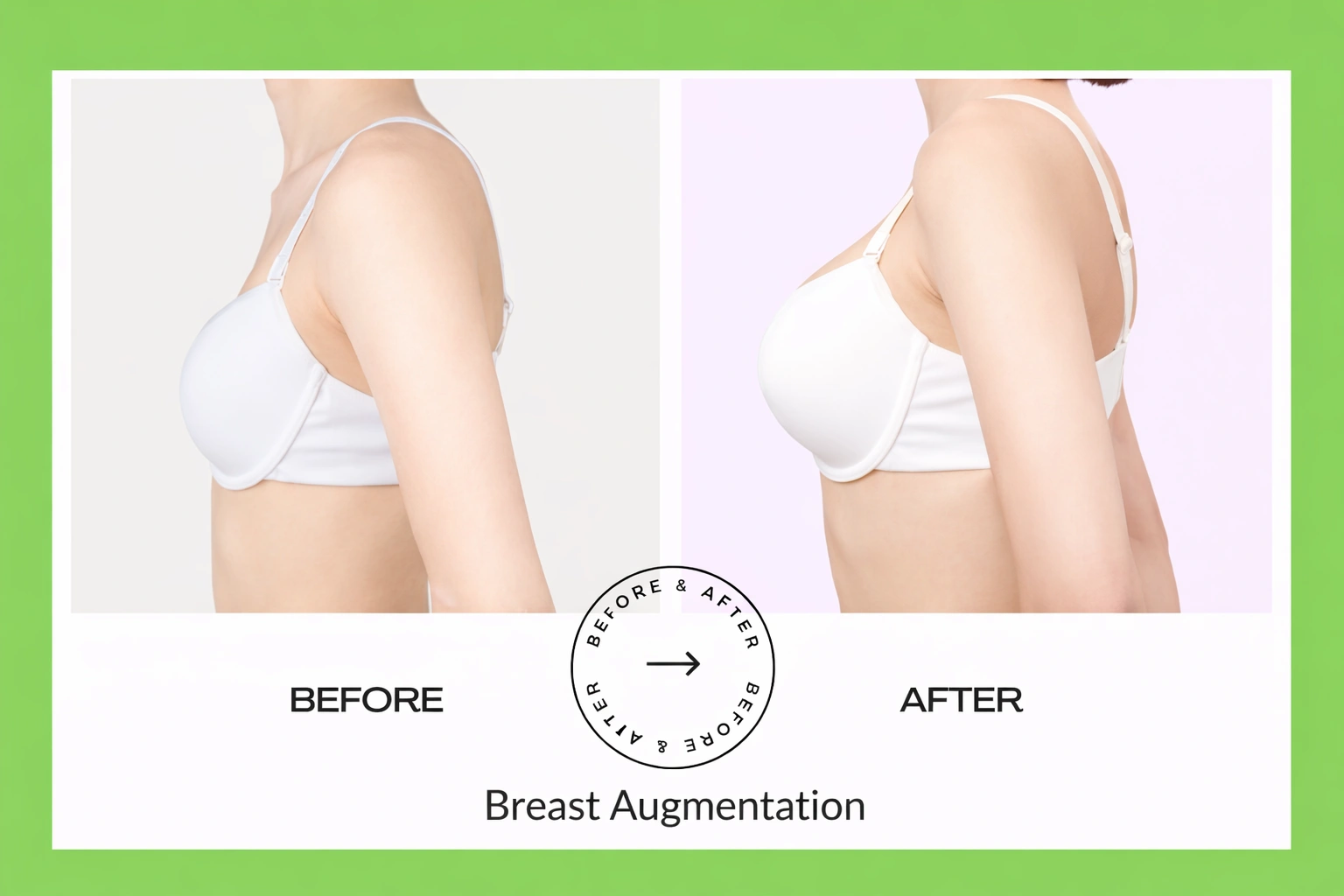
I had an amazing experience with Dr. Samiksha Tyagi for my breast implant in Noida—results are natural and beautifully balanced. Highly professional care, excellent guidance, and outstanding results for breast augmentation!

I had a great experience and loved my results with HIFU and chin liposuction in Noida—very happy with everything! Dr. Samiksha Tyagi was extremely supportive, answered all my questions, and had excellent bedside manner—highly recommended.
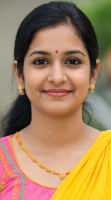
Consulted Dr. Samiksha Tyagi in Noida for acne and fine lines and saw wonderful results in a short time. Highly professional care at Treatmedlogy clinic, Noida—highly recommended for genuine cosmetic treatments!
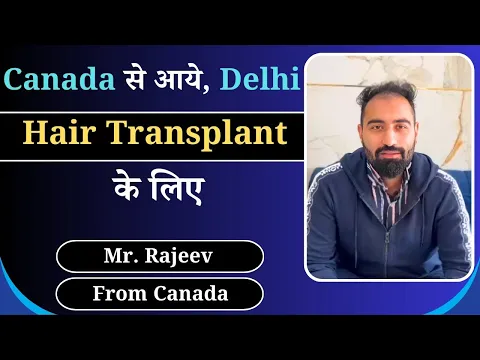
Rajiv
Canada
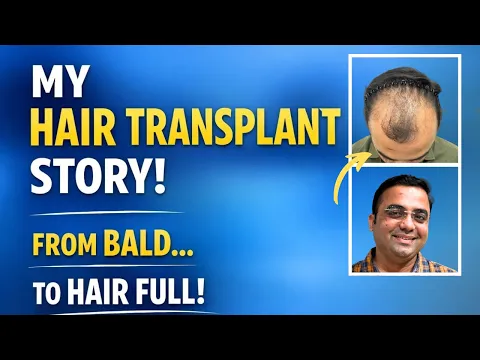
Mr Ashwin
Amrawati, Maharashtra
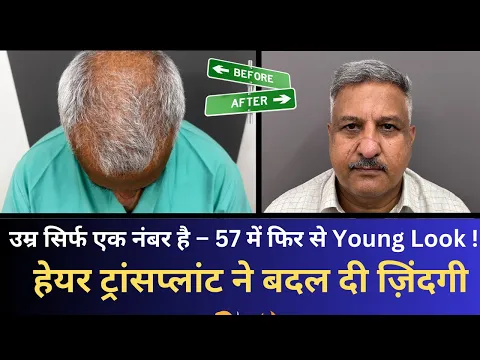
Mr. Rakesh Taygi
Ghaziabad
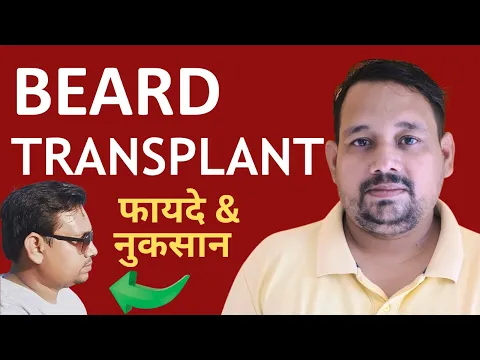
Mr. Rahul Panday
Ghaziabad
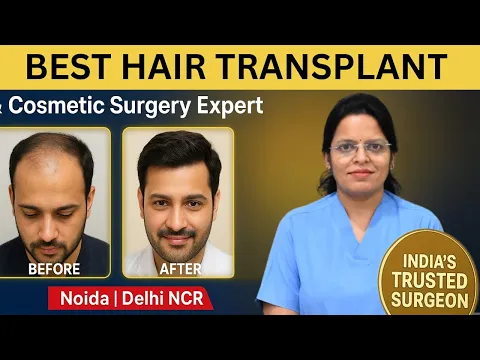
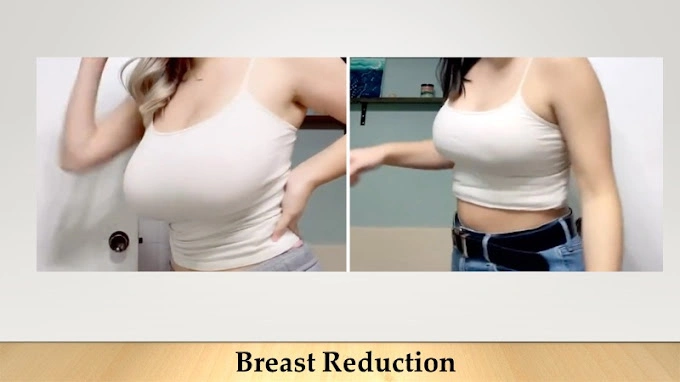
She is excellent at understanding patient’s need, by educating and suggesting them the best Cosmetic Surgery/Treatments which is the prime goal of her practice. Her extensive work includes Hair Transplant, Anti-ageing & anti-wrinkle treatment, Botox, Fillers (Liquid Facelift), Lip Augmentation, Liposuction (Body Contouring), Rhinoplasty (Nose job), Breast Surgery (Augmentation/ Reduction), tummy tuck & many more.
Read MoreDiscover safe, affordable, and technologically advanced hair transplant care — with complete guidance from arrival to recovery.
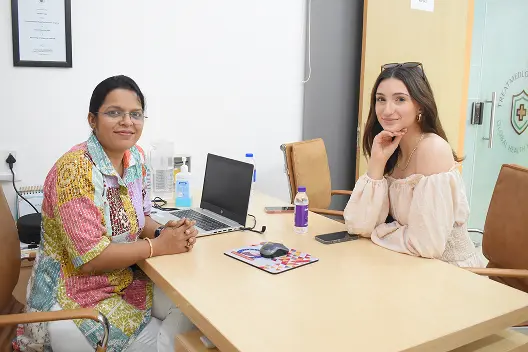
Lip Fillers Treatment – Argentina
I had a wonderful experience with Dr. Samiksha Tyagi. From the very first consultation, she was professional, attentive, and truly took the time to listen to our concerns.

Pre-Arrival Photo Assessment & Online Consultation

Free Airport Pick-Up & Accommodation Assistance

Support With Local Travel, Flight Booking, Visa Guidance & Currency Exchange
Day-care and transplant procedure

Next-Day Follow-Up & Travel Clearance

Ongoing Support Via WhatsApp & Video Consultations
Watch, Learn and stay Updated on Hair & Skin Science
Typically, the procedure is completed in a single day, lasting 4 to 8 hours based on the number of grafts. With SmartGraft technology, sessions are efficient, comfortable, and involve minimal downtime.
Light activity can be resumed very next day. Avoid intense workouts, sweating, swimming, or heavy lifting for at least 2–3 weeks to protect graft survival
Not at all. We use local anesthesia to ensure comfort. Post-procedure soreness is minimal and easily managed with prescribed medication.
Most patients experience mild, temporary effects like swelling, redness, or itching — these usually resolve within a few days. Our expert aftercare ensures a smooth recovery.
Yes. Mild forehead swelling can occur and typically subsides within 48–72 hours. Proper aftercare and hydration help speed up healing.
You may notice some initial shedding (known as shock loss) within the first few weeks. This is temporary — new hair growth begins around 3–4 months, with full results by 10–12 months.
We follow a comprehensive treatment package, not per-graft pricing. This includes consultation, surgical care, post-op support, and follow-up — no hidden costs.
Hair is usually harvested from the back and sides of the scalp — areas resistant to balding. For specific cases like alternative donor areas like beard or body hairs may be used.
Hair is usually harvested from the back and sides of the scalp — areas resistant to balding. For specific cases like alternative donor areas like beard or body hairs may be used.
New hair typically starts to appear around 3–4 months. Significant improvement is visible by 6–8 months, with full results in 10–12 months.
Absolutely. SmartGraft is highly effective in restoring hair in scarred or trauma-affected areas. Our team specializes in such reconstructive cases.
Currently, Treatmedology Clinic operates exclusively in Noida, Delhi NCR — as a center of excellence for SmartGraft hair transplants.
Yes. We routinely perform corrective procedures for unnatural hairlines, low density, or visible scarring. A consultation will help us assess your case and plan a successful revision.
Hair thinning can be treated with any of the three treatments, as PRP in Noida, GFC treatment Noida, or Hair Booster. All of them are effective, but it depends on the condition of your hair. Consulting the Best Hair Transplant Doctor in Noida can help you to decide which is the right treatment by looking at your hair type and scalp status.
Yes, most of the treatments are safe for women experiencing hormonal or post-pregnancy hair fall. They can be treated with safety to restore healthy hair roots and thickness without causing damage to their bodies. Dr. Samiksha Tyagi is an expert and provides the best consultations for Female Hair Loss Treatment.
The best method for hair transplant depends on the type of hair you have and how natural you want your hair to look. Most of the people prefer to go with DHI, but FUE Hair Transplant in Noida is considered as an economical option, which is considered as the most popular and advanced technique.
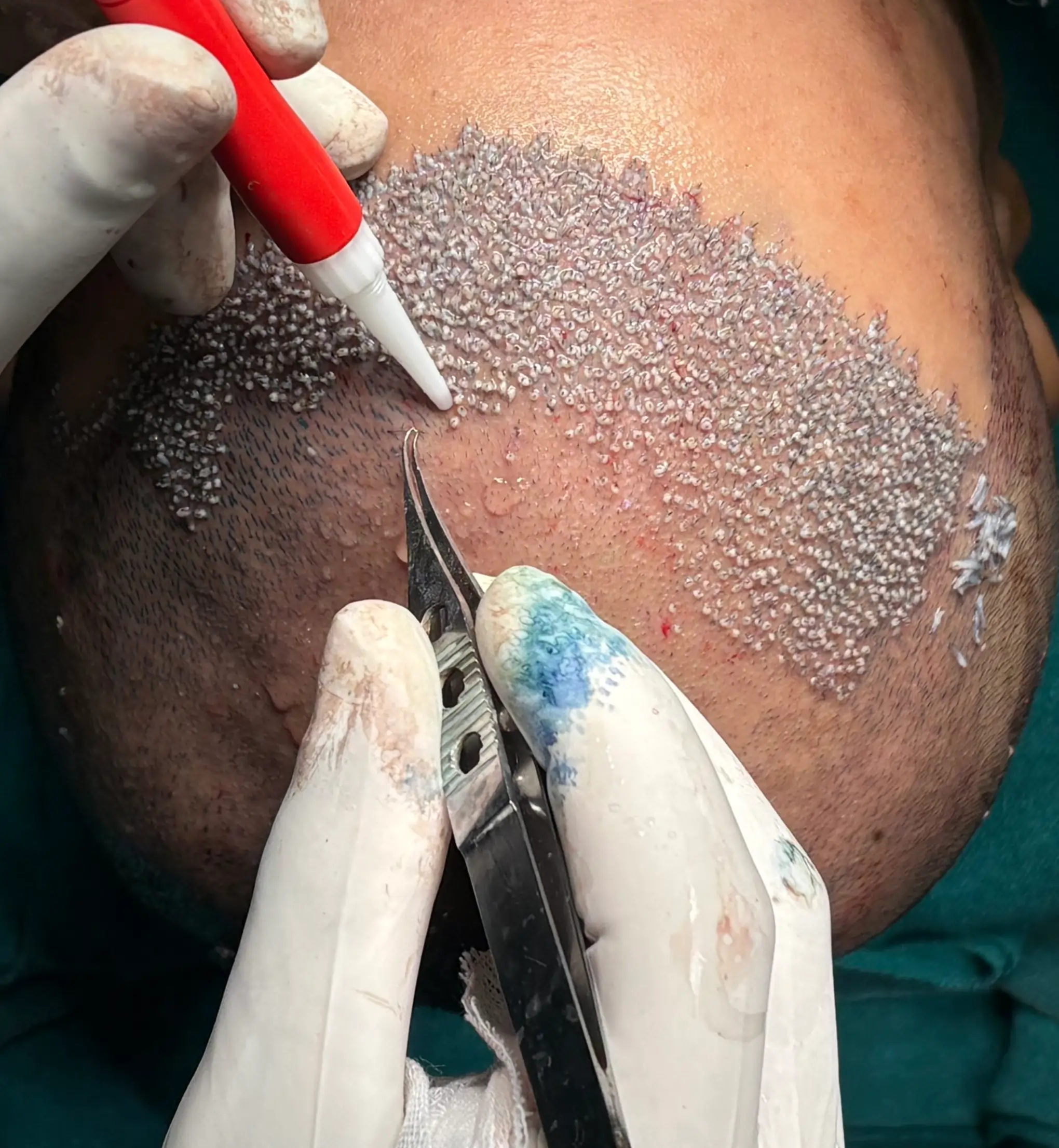
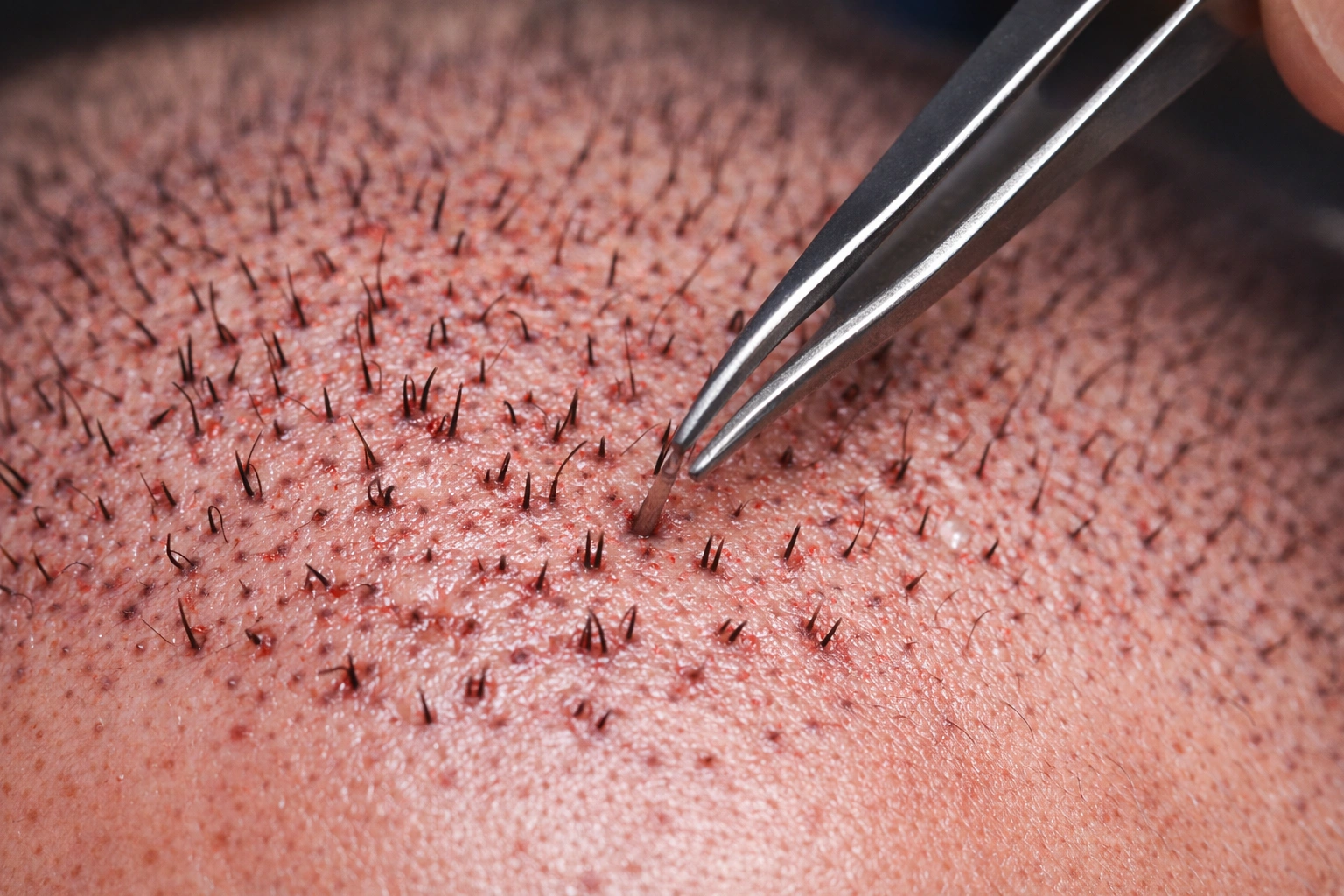
The FUE technique leaves a minimal scar as compared to other techniques, and it also heals faster and gives you a more natural look, as in this process, each hair follicle is extracted one by one. SmartGraft Hair Transplant India is an advanced version of FUE Hair Transplant and gives you quicker recovery.
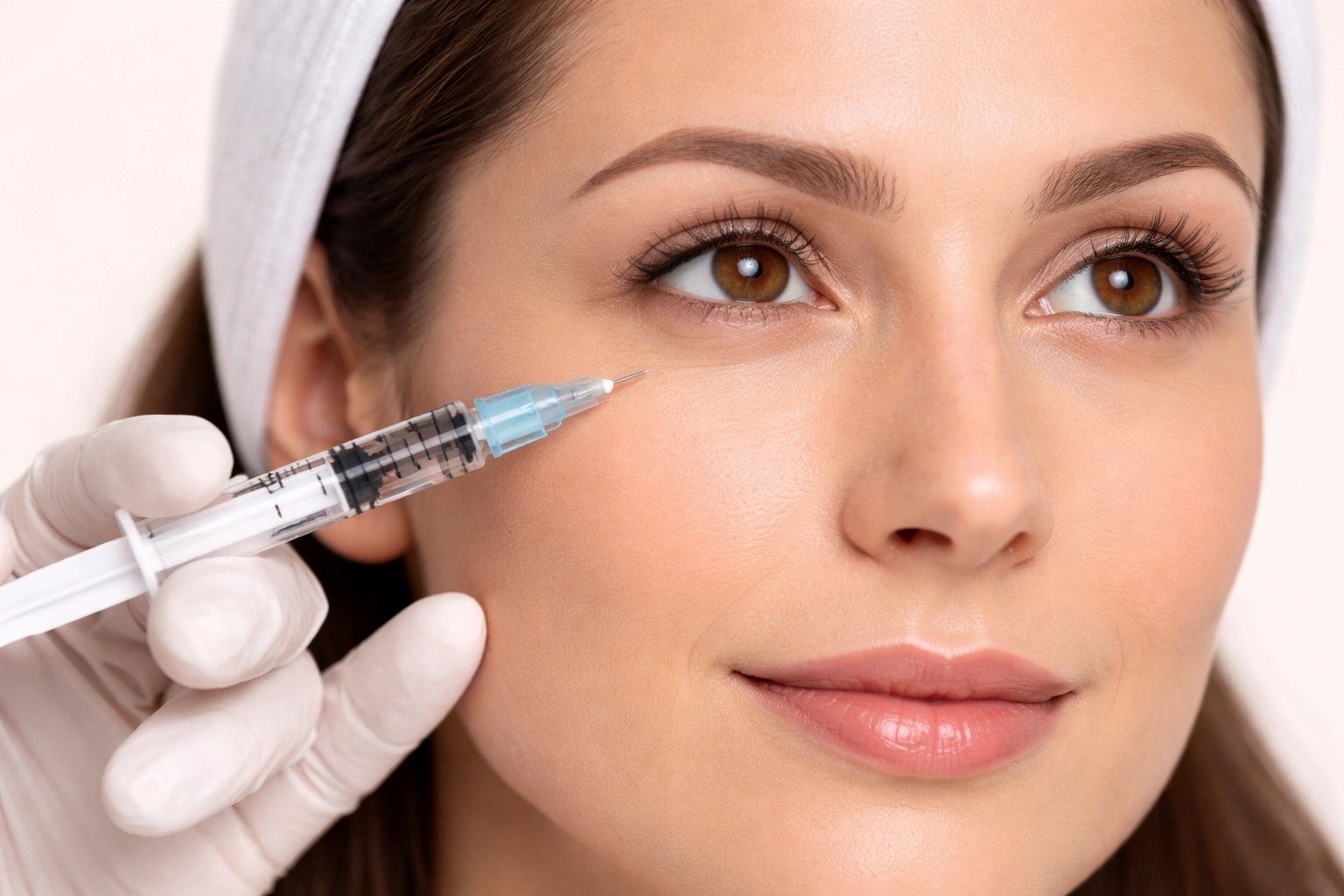
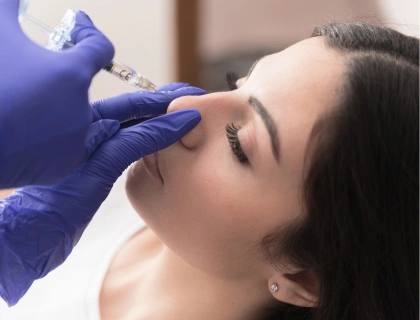
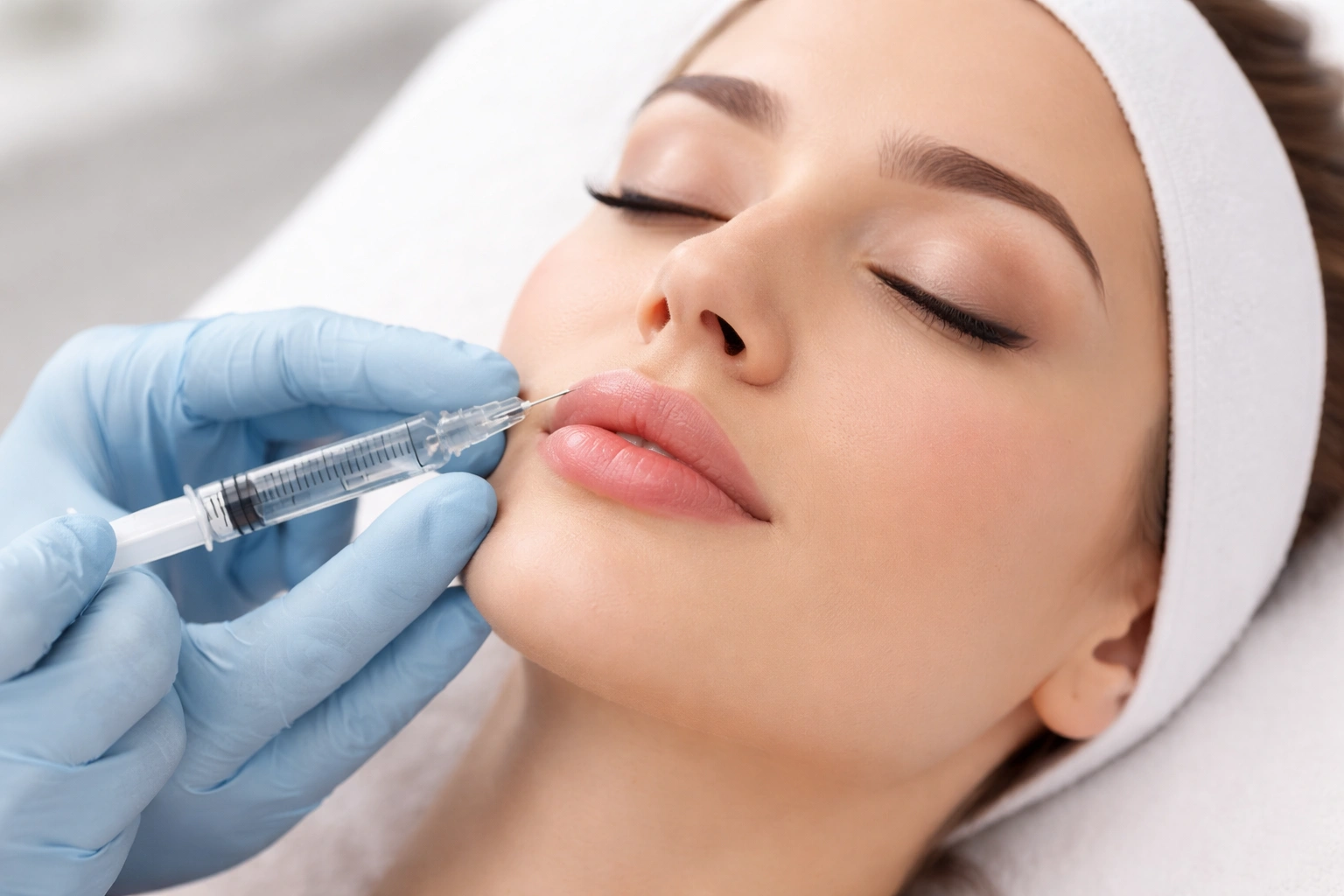
If done by an adequately trained and qualified surgeon, Botox and fillers are considered safe procedures. These procedures are usually done to reduce wrinkles, add volume, and improve facial features.
With proper consultation and aftercare by a Skin Specialist in Noida, Botox and Fillers in Noida are considered the safest and effective solution for a youthful appearance.
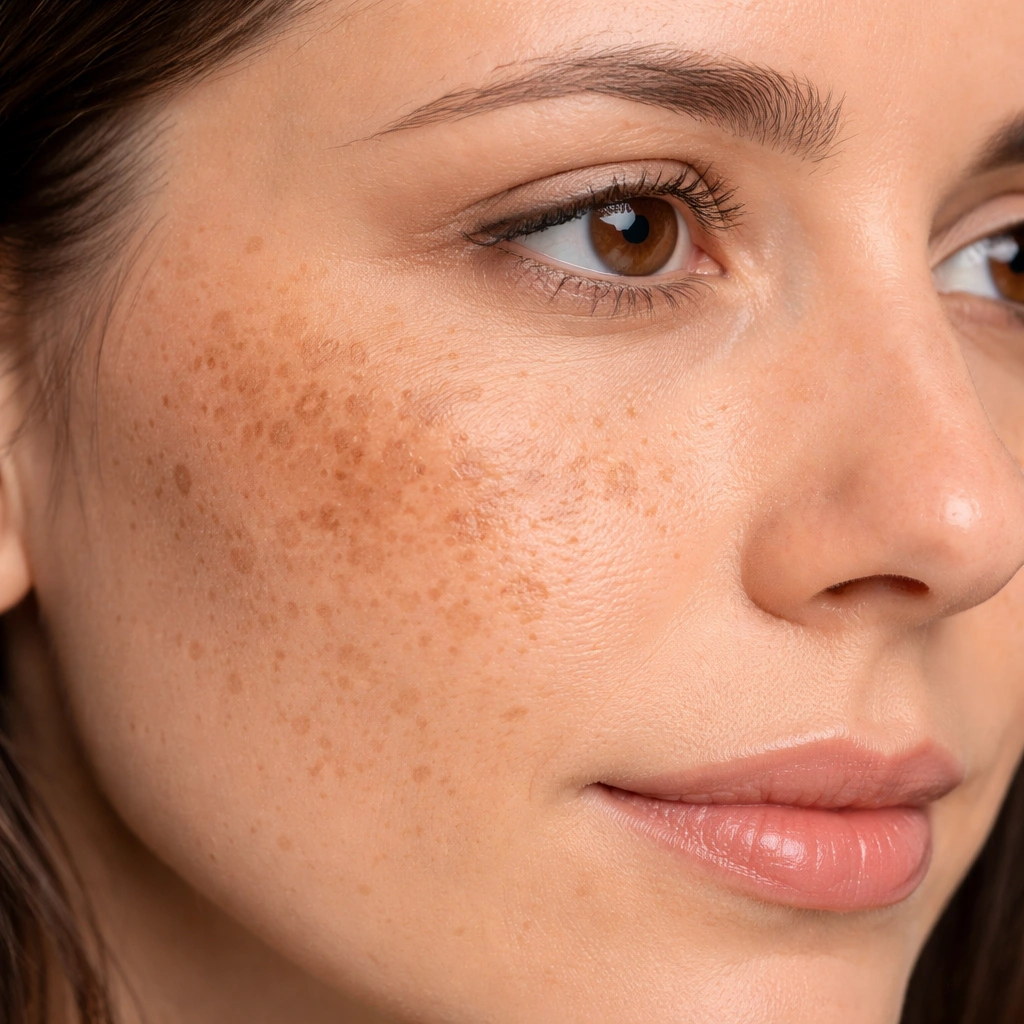
Many patients will receive between 3 to 6 treatments to treat Acne scar treatment Noida or pigmentation, depending on the situation or severity, or the treatment you are opting for. Treatments like Lasers, chemical peels, microneedling, and other treatments will also make gradual improvements by Skin Clinic in Noida over time in regard to the overall look and smoother skin.
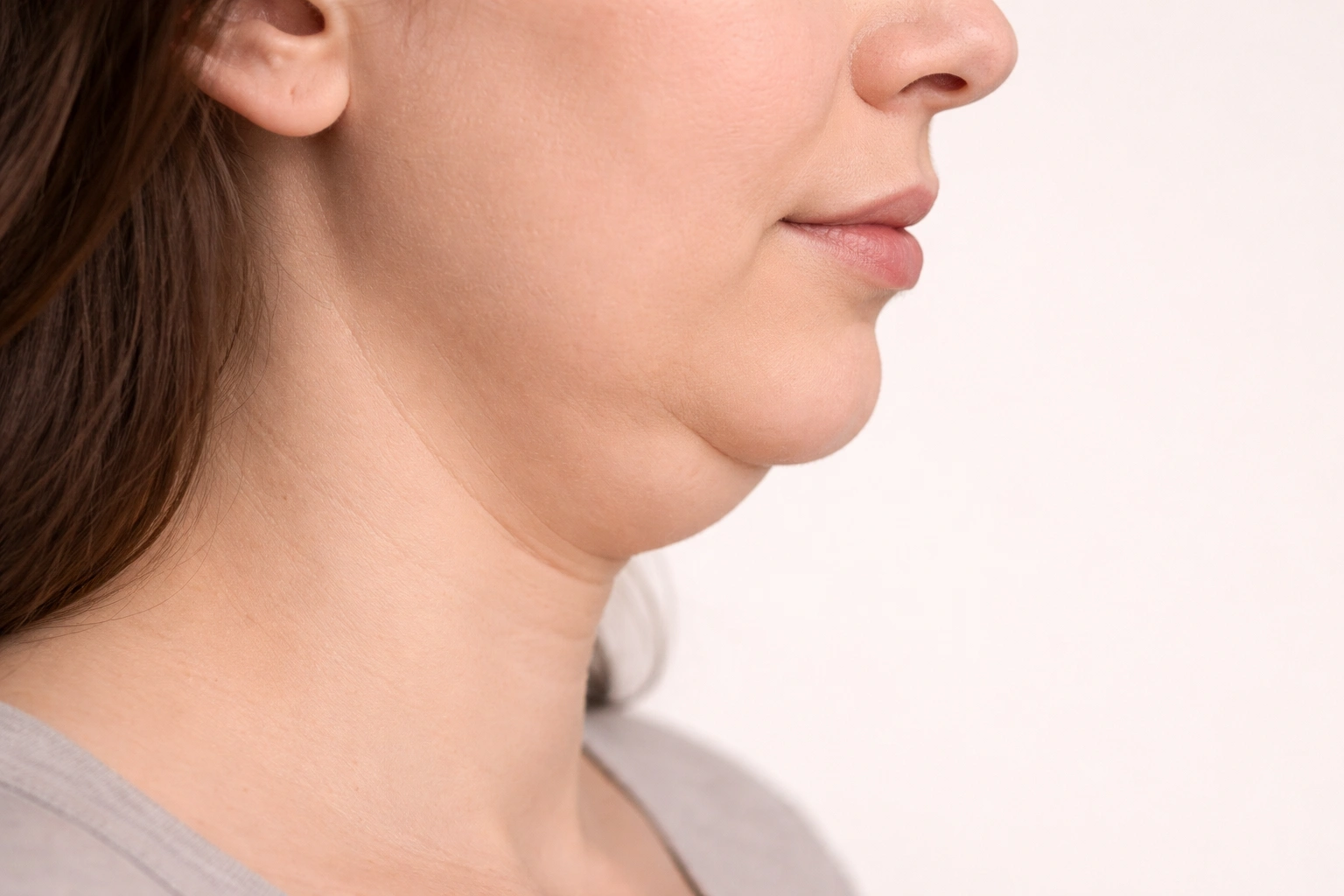
HIFU (High-Intensity Focused Ultrasound) is a non-surgical treatment that is designed to lift and tighten loose skin. HIFU facelift Noida is great for reducing wrinkles, creating a natural lift to the skin on the Face, Neck, and Jawline areas of the body. HIFU is an ideal option for anyone who is looking for a natural Facelift effect without any procedure or downtime.
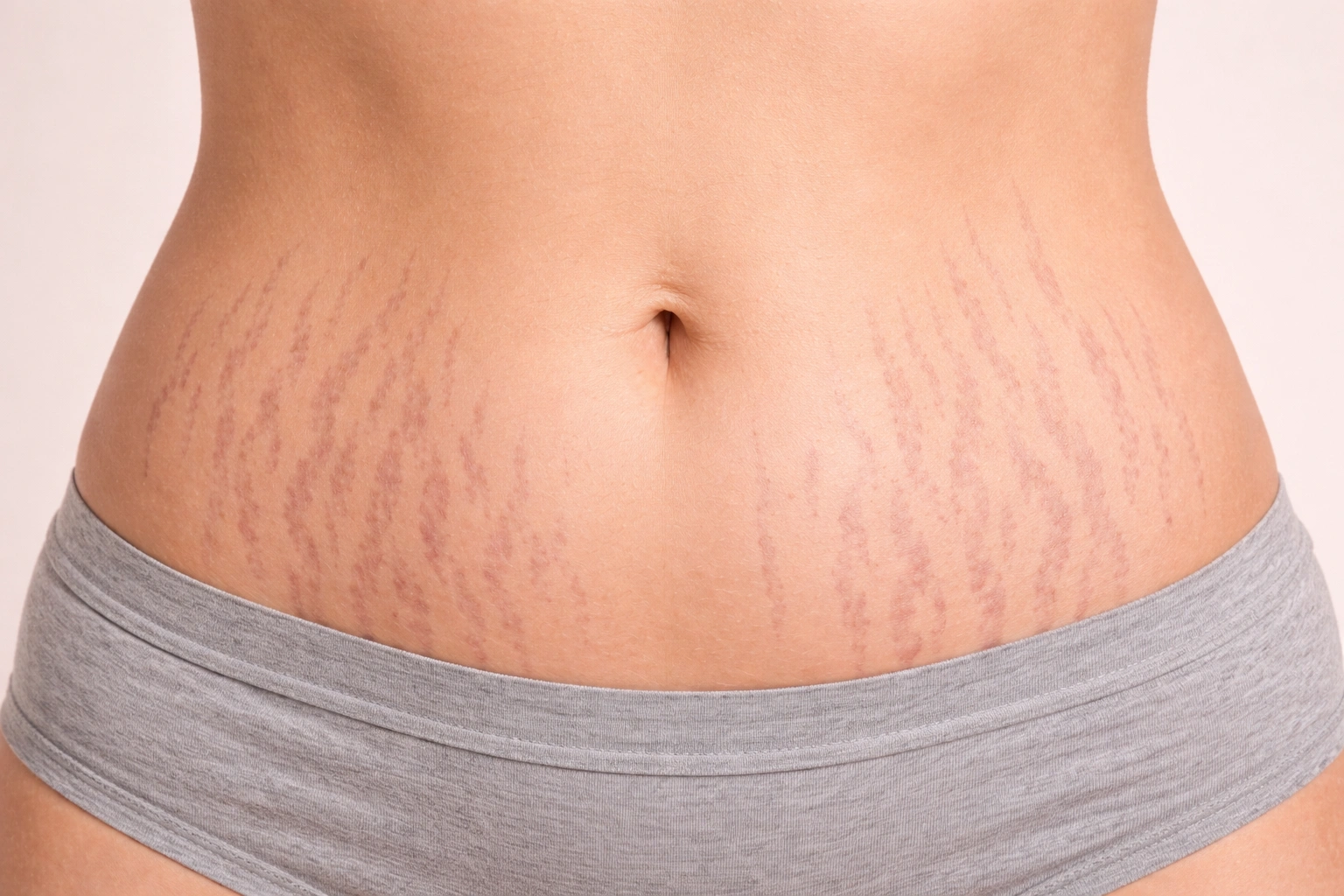
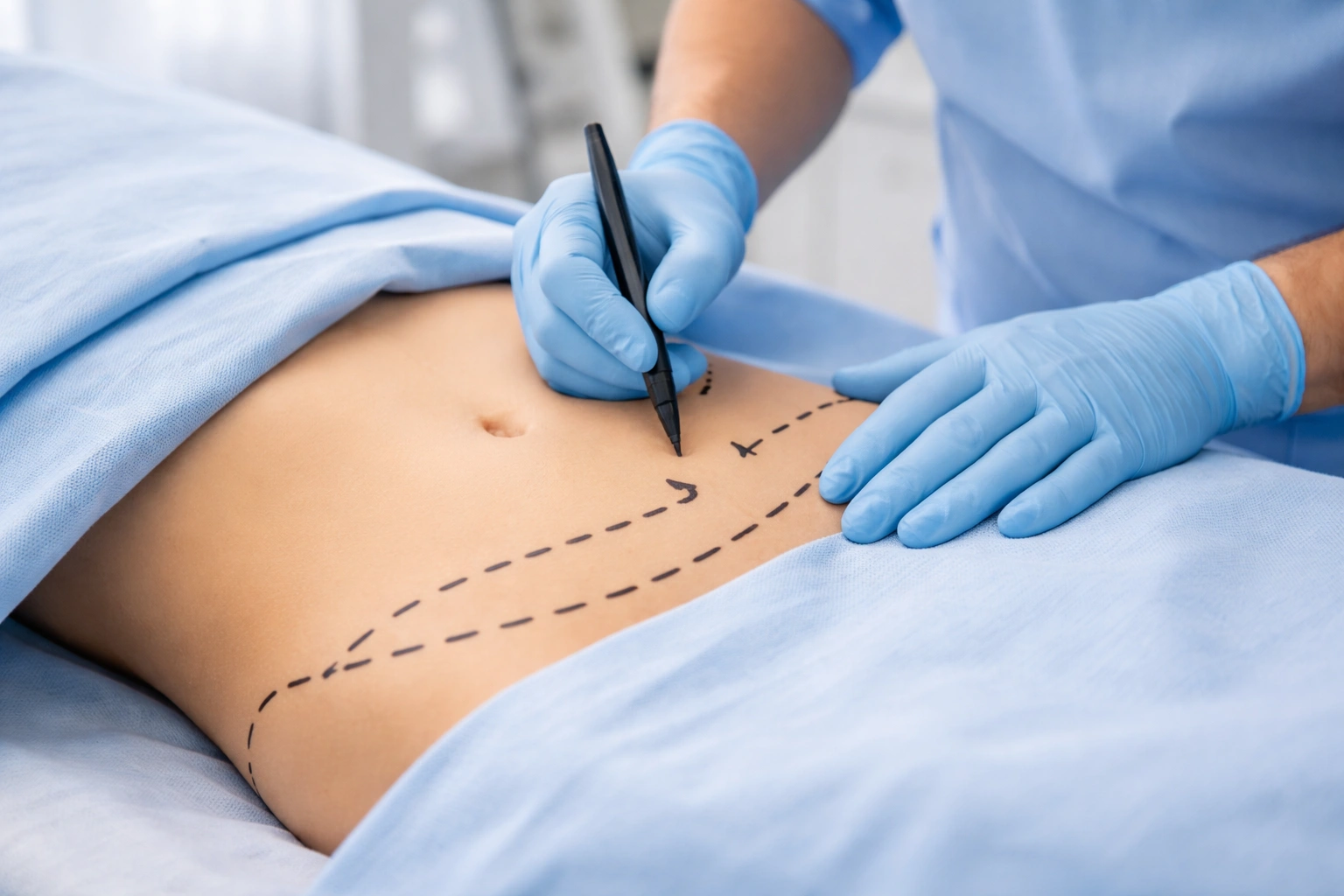
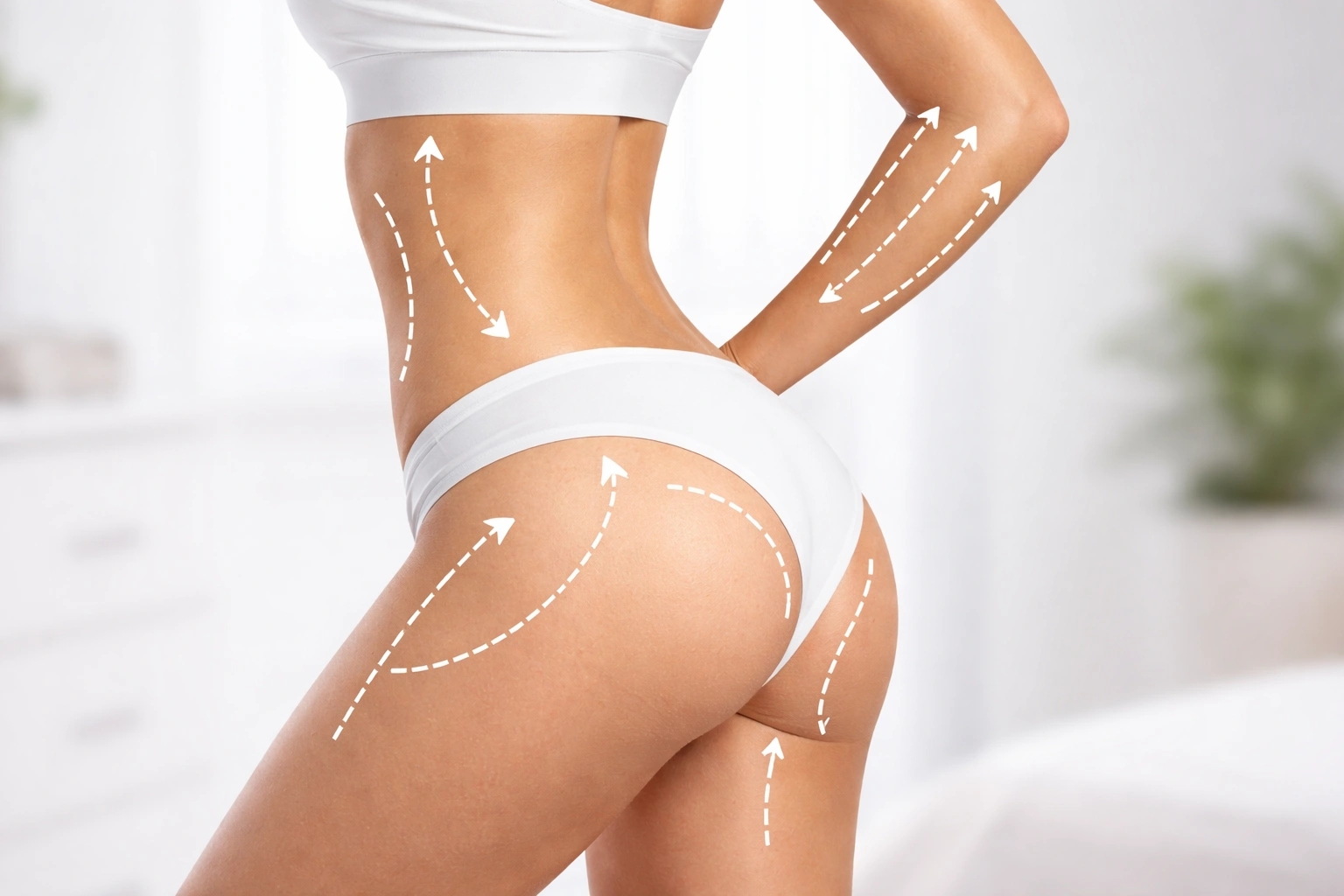
We provide a wide range of Mommy Makeover procedure options to help reshape and tone your body. These include liposuction, Gynecomastia, Breast Surgery, arm lift, thigh lift, tummy tuck, and body lift procedures, which are also affected by pregnancy.
Our expert surgeons ensure safe, effective, and natural-looking results. With the best care from our team, we help you to achieve your ideal body shape and look.
No, it is just a myth and is not true that breast surgeries (augmentation or lifts) do not increase the risk of breast cancer. But all individuals should regularly do breast cancer screenings after any procedure.
It is important to consult a qualified surgeon when seeking a procedure in order to enhance safety and promote long-term health of the breast.
Most people return to their normal daily activities after liposuction between 1-2 weeks after the procedure. While some swelling and bruising may persist for a slightly longer period, patients will typically be able to return to their normal lives relatively quickly when they follow the instructions provided by their surgeon.
Hair Restoration typically requires international patients to be in India for a period of 4-5 days. At our Hair Clinic in Noida, our expert doctors perform the procedure within 1-2 days, and the next few days are used for follow-up and post-operative check-ups.
Our team guides you through each step of the process, ensuring a comfortable and smooth experience, and offers Affordable hair transplant in India. And all treatments follow international safety and hygiene standards.
Patients coming from overseas destinations such as Canada, Australia, Qatar, Maldives, USA, Mauritius, Bangladesh, Nepal, Bhutan, and the UK, to get a hair transplant in Noida.
They trust us for our natural results, the latest methods, along with a secure environment for their procedure. Many international patients visit us for both plastic surgery and hair transplant procedures in Noida.
Take a free scalp & skin analysis and discover your personalized solutions


.webp)


.webp)
.webp)
.webp)