
- Posted On: 30 Jun 2026
-

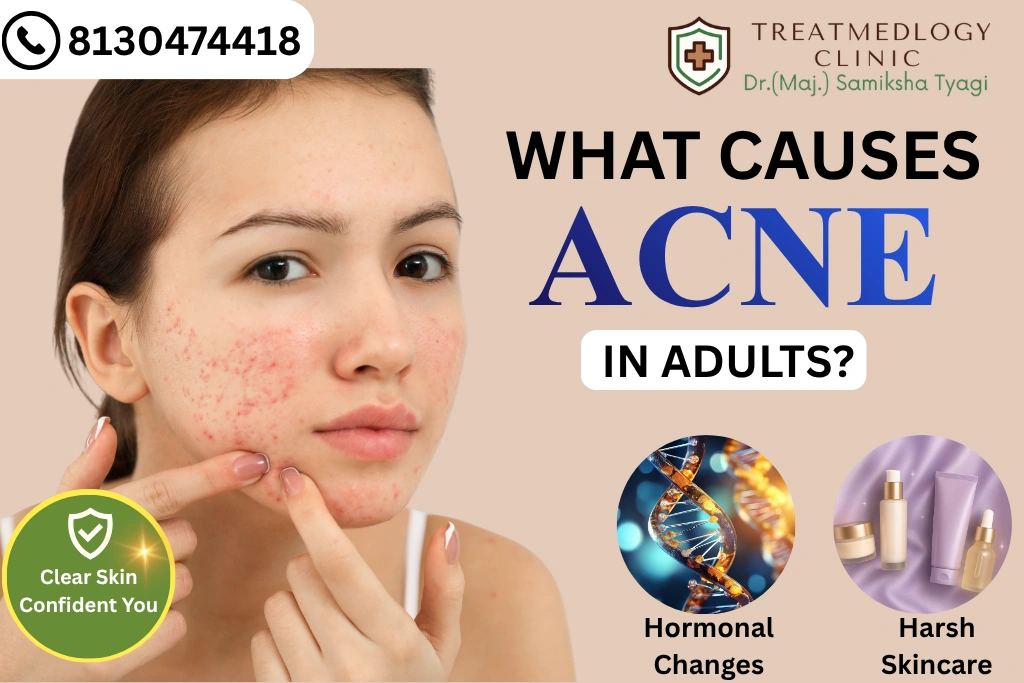
What Causes Acne in Adults?
Adult acne occurs when the body releases excess oil production, hormonal changes, clogged pores, bacteria, inflammation, and maybe stress are combined with lifestyle choices or some medications disrupt the skin’s natural balance. Acne tends to be associated with teenagers, but many adults in their 20s, 30s, 40s, and even the 50s face repeat breakouts that can damage confidence and skin health. The first step to proper treatment and maintaining skin clarity is identifying its cause.
Acne is one of the most common skin concerns worldwide. Adult Acne may come in the form of whiteheads, blackheads, painful cysts or inflamed pimples on the face, affecting jawline area, neck, chest and back.
Adult acne is typically a result of multiple factors including hormonal changes, environment and lifestyle. Knowing these triggers can help in avoiding recurring acne breakout and have better skin overall.
What are the common causes of adult acne?
1. Hormonal Changes
Hormonal changes are one of the most common causes of adult acne, particularly for women.
Hormonal changes can lead to excessive oil (sebum) production that blocks pores, and forms an environment where acne-causing bacteria develop.
Common hormonal triggers include:
- Menstrual cycles
- Pregnancy
- Polycystic Ovary Syndrome (PCOS)
- Menopause
- Consuming birth control pills
Hormonal acne mainly occurs on the areas around the jawline, chin and lower area of cheeks.
2. Excess Oil Production
Skin naturally creates oil to keep the skin hydrated and prevent skin from getting damaged and they are known as sebaceous glands. But when too much oil mixes with dead skin, it clogs pores.
This blockage creates an environment for bacteria to multiply, resulting in inflammation and leading to acne formation.
3. Stress Levels
Chronic stress is now an integral part of modern lifestyles and can make drastic changes to skin health.
When stress levels increase, the body produces more and more cortisol (the stress hormone) and other hormones that stimulate oil glands. Excessive oil production can worsen existing acne and precipitate new spots.
Common stress-related factors include:
- Work pressure
- Poor sleep
- Anxiety
- Emotional stress
4. Diet and Nutrition
Food is not the only cause of acne, but some food habits may help as a trigger to breakouts in some individuals.
Potential dietary triggers include:
- High-sugar foods
- Refined carbohydrates
- Excess dairy consumption
- Highly processed foods
Eating a well-balanced diet of fresh fruits and vegetables, protein, and healthy fats supports healthier skin.
5. Incorrect Skincare Products
Some products are too strong or harsh and are not suitable for the skin type, can lead to acne formation or may worsen the existing acne.
Common mistakes include:
- Over-exfoliating
- Using heavy pore-clogging cosmetics
- Sleeping with makeup on
- Excessive cleansing
Opting for non-comedogenic and cosmetologist recommended products is the key way to maintain proper skin balance.
6. Genetics
If one or both parents experienced persistent acne, you may be more likely to develop adult acne as well.
Genetics can influence:
- Oil production
- Skin inflammation
- Hormonal sensitivity
- Pore size
Genetics will stay constant; however, effective treatments can manage symptoms.
7. Medications
Acne can be a side effect of some medications, including:
- Steroids
- Lithium
- Some hormonal medications
- Certain anti-epileptic drugs
Consult with a qualified cosmetologist before making changes if you have acne after starting any new medication.
How is Adult Acne Different from Teenage Acne?
| Factor | Adult Acne | Teenage Acne |
| Primary Cause | Hormones, stress and lifestyle changes | Puberty hormones |
| Common Location | Jawline, chin, cheeks | T-zone (forehead, nose, chin) |
| Skin Type | Often combination or dry | Usually oily |
| Inflammation | More persistent | Widespread |
| Healing Time | Slower | Faster |
Can adult acne lead to scarring?
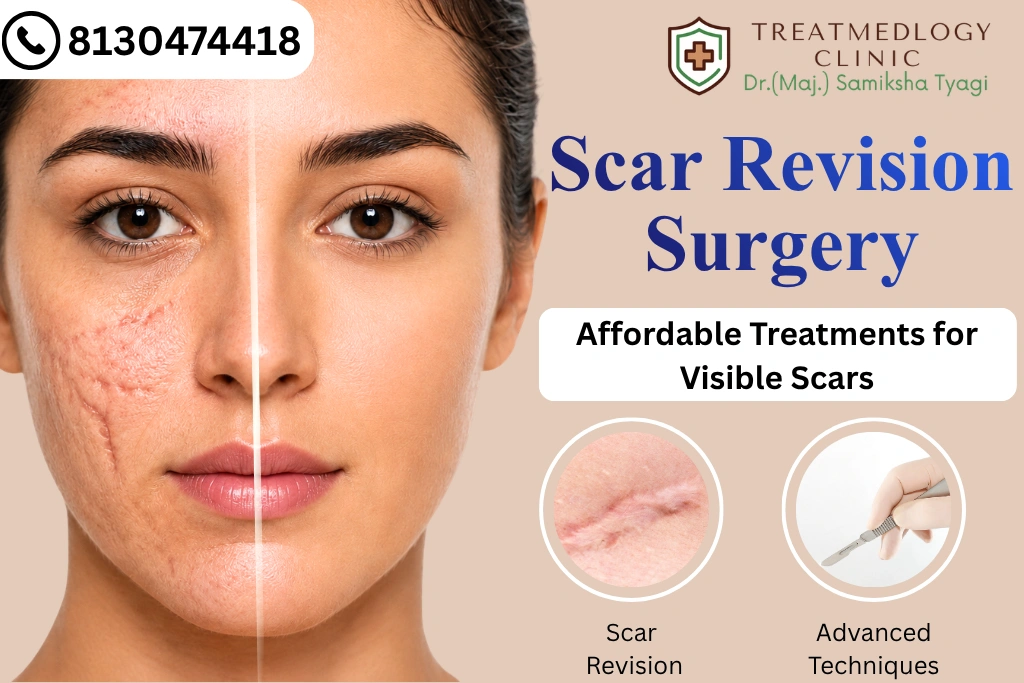
Yes. If acne is left untreated or has multiple inflamed acne, it may destroy the deeper layers of skin and also create pigmentation marks which can be permanent.
Early treatment is important with time, as more severe forms of acne can develop and leave scarring that is less responsive to treatment.
Expert Insight
Never treat adult acne as a temporary cosmetic concern. Chronic breakouts are a common sign of deeper hormonal, lifestyle, or skin barrier issues that should be assessed by a professional skin specialist in Noida. Tailored treatments address the triggers while decreasing inflammation, preventing future breakouts and minimizing the risk of scarring.
Dr. (Maj.)Samiksha Tyagi has over 15+ years of experience and a record of 7,000+ successful surgeries, providing evidence-based skin solutions at Treatmedlogy Clinic. Skin problems, from acne to pigmentation to advanced aesthetic cosmetology, all are covered with evidence-based treatments. If you wish to consult an experienced skin doctor in Noida for your skin type, get the best qualified personalized consultation with Dr. Samiskha Tyagi.
Final Thoughts
Healthy, clear skin is not just about appearance—it reflects overall skin balance and long-term wellness. Adult acne impacts self-esteem, skin texture, and skin quality; however, many of us can get great benefit from a correct diagnosis and treatment plan. It is better to attempt treating acne at an early stage as it will have lower chances of scarring, hyper-pigmentation, and in preserving a smoother, brighter, refined complexion.
Choosing a trusted skin clinic in Noida for personalized care can make a significant difference in achieving healthier-looking skin and overall facial enhancement.
Looking for one-on-one expert advice on acne or other skin concerns? To book your appointment, call or WhatsApp at +91 7827755854.